Family history is something which I find fascinating but with the best will in the world can’t be said normally to be of life changing importance to others.
Sometimes though, the result of your genealogical activities transcend the mundane and take on an altogether higher order of importance when families are brought together for the very first time.
Yesterday was just such a day. A friend was able to speak to her 92 year old grandmother for the very first time . She called me excitedly late last night to tell me the wonderful news.
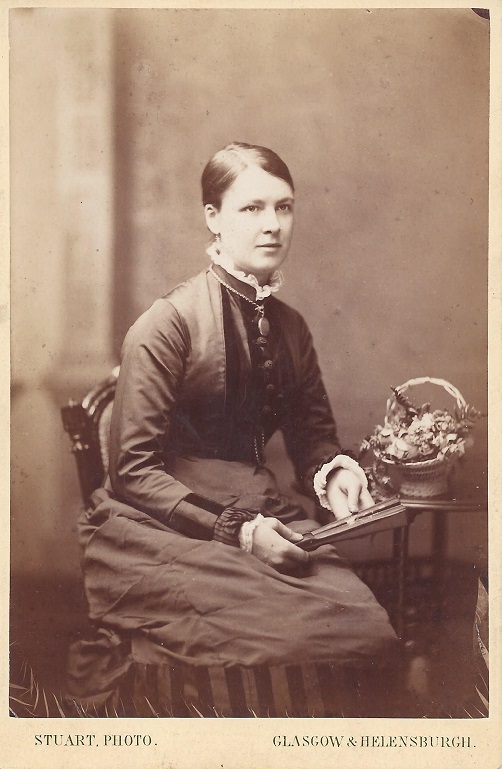 Sadly her father never knew his mother – removed from her at birth after being born in an institution prior to the formation of the NHS. He died a few years ago knowing nothing about his mother other than some meagre information on a 1947 birth certificate. No photographs – no memorabilia. Last year my friend asked me to help in trying to trace her father’s family.
Over time, I uncovered a sad trail of parental divorce, foster care, then removal to educational and health institutions throughout the forties and fifties in different parts of Scotland. The search was anything but straightforward with hundred year closure rules working against us on more than one occasion. When I eventually managed to trace her granny getting married in the 1960s in her forties and going on to have a family of her own, there was still a huge degree of uncertainty about whether she would still be alive today. But after a chance conversation that my friend had with someone from the same area in Paisley, it transpired that her grandmother was still very much alive and living independently as a widow. So, with a degree of trepidation, my friend summoned up the courage to call her grandmother directly. Following on from that successful first step, the next agreed step is for my friend to write her granny a full explanatory letter with the hope that they can meet in person quite soon. Result !